When to Install Pavers Before the Bay Area’s 2026-27 Rainy Season
Table of Contents
- What is the best time to install pavers before the Bay Area rainy season?
- Why Bay Area weather matters for paver installation
- Why installing too close to the first major rains can be risky
- How weather affects each stage of a paver project
- Fall vs. spring for paver installation
- How local Bay Area conditions affect installation timing
- What should you ask a paver contractor before scheduling?
- A practical example of planning a pre-rainy-season patio
- Frequently Asked Questions
- Plan your paver installation before the rainy season
Direct Answer: The best time to install pavers in the Bay Area is generally during a stable dry-weather window before the main rainy season, giving your contractor enough time to prepare the base, install the pavers, complete joint work, address drainage, and finish the project without rushing around incoming storms.
If you’re planning a new patio, driveway, walkway, pool deck, or another hardscape project, installation timing matters more than simply choosing a date on the calendar.
Paver installation involves several stages, including site preparation, grading, base preparation, compaction, paver placement, edge restraint, joint finishing, and, when appropriate, sealing. Weather conditions can affect different stages in different ways.
For Bay Area homeowners, the better approach is to plan around a reliable weather window rather than waiting until the first major storm appears in the forecast.
If you’re already considering a project, contact BBP Pavers to discuss your project and installation timeline .
What is the best time to install pavers before the Bay Area rainy season?
For many Bay Area projects, the months leading into the main rainy season can be a practical installation window. The important factor is not a single “perfect” month. It is whether the project can be completed during a sufficiently dry period with enough scheduling flexibility for weather changes.
Starting early also gives you more time to evaluate the site, choose materials, plan drainage, and coordinate the different stages of construction.
A large driveway or backyard renovation needs more planning than replacing a small walkway. The larger and more complex the project, the more important it becomes to avoid scheduling the final installation stages immediately before a period of persistent rain.
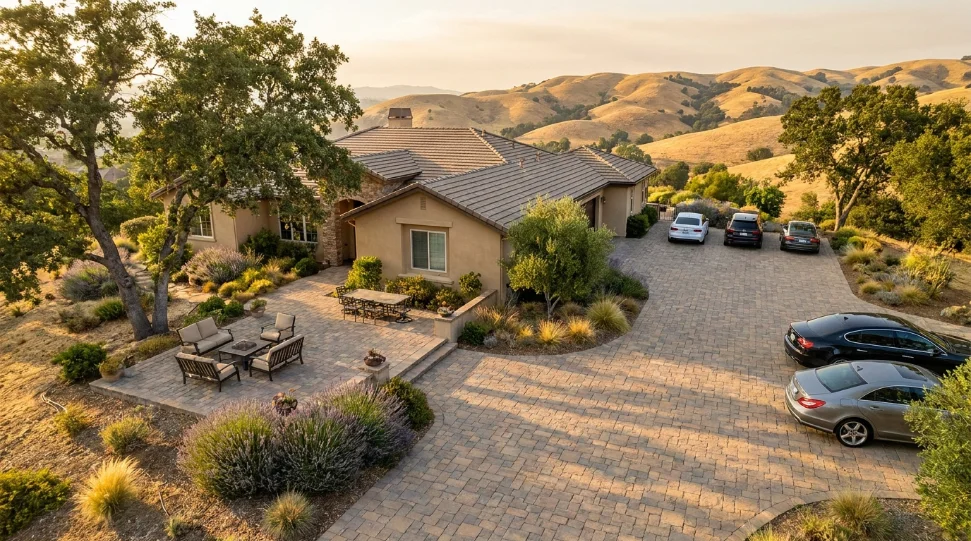
Why Bay Area weather matters for paver installation
The Bay Area has a Mediterranean climate, with most annual rainfall occurring during the cooler part of the year. That seasonal pattern makes weather a relevant consideration when scheduling exterior hardscape work.
Rain does not automatically make paver installation impossible. The concern is whether the site conditions are suitable for each stage of the project.
For example, excavation and base preparation may become more difficult when the ground is excessively wet. Proper grading and compaction are important because the finished paver surface depends heavily on the foundation underneath it.
Bay Area microclimates matter too
A project in Concord can experience different conditions from one near San Francisco or along the Peninsula. Inland East Bay communities can have warmer and drier conditions, while coastal areas may experience different moisture and temperature patterns.
That is why a contractor should evaluate your actual property rather than relying only on a general Bay Area calendar.
Why installing too close to the first major rains can be risky
The biggest concern is often not the pavers themselves. It is what happens to the site and the materials underneath them during preparation and finishing.
Conditions worth watching
- Wet or unstable soil: Excess moisture can make excavation and preparation more difficult.
- Base preparation: The aggregate base needs to be properly placed, graded, and compacted.
- Drainage: Water should be directed appropriately rather than creating new problem areas around the home.
- Wet bedding material: Installation conditions need to allow accurate leveling and placement.
- Joint finishing: Different joint products have different installation requirements.
- Sealing: If sealing is included, the specific product’s weather requirements should be followed.
This is why it is better to plan backward from the rainy season instead of trying to finish a major project immediately before an incoming storm.
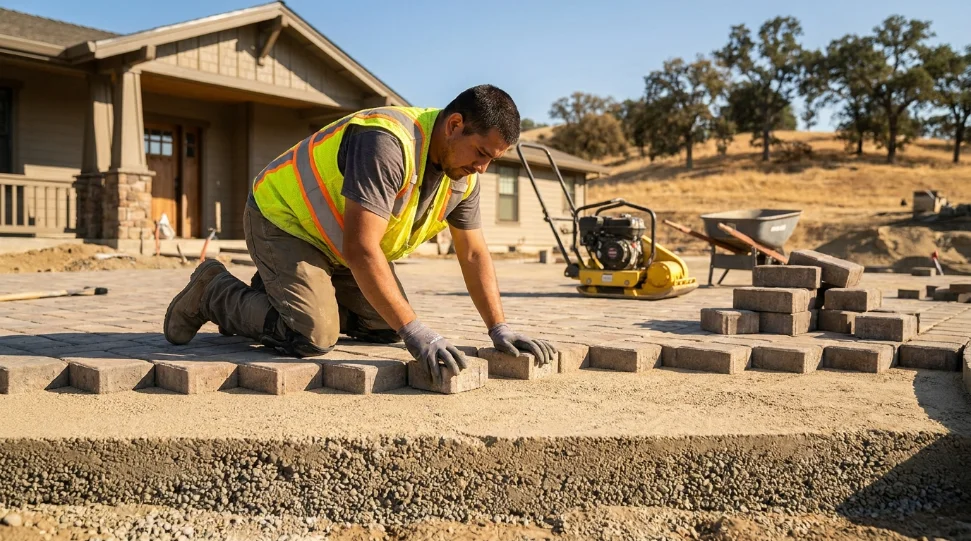
How weather affects each stage of a paver project
1. Site preparation
Depending on the project, preparation can include demolition, excavation, grading, removal of unsuitable material, and preparation for drainage.
Wet conditions can affect equipment access and the condition of the ground, so the contractor should determine whether the site is ready before beginning.
2. Base preparation
The base is one of the most important parts of a paver installation.
The contractor needs to establish the correct grade and compact the base material properly. A beautiful paver pattern cannot compensate for an improperly prepared foundation.
3. Paver placement
After the base and bedding layer are prepared, the pavers can be installed and aligned according to the selected design.
At this stage, accurate grades, consistent joints, edge restraint, and proper installation conditions all contribute to the final result.
4. Joint finishing
The joint material used on your project may have specific installation requirements.
Ask your contractor what conditions are recommended for the particular product being used rather than assuming every type of joint material performs the same way.
5. Sealing
Sealing is another weather-sensitive part of some paver projects.
The appropriate timing depends on the specific sealer, surface condition, joint material, and manufacturer’s instructions.
| Project Stage | Weather Consideration | What to Confirm |
|---|---|---|
| Excavation | Wet or unstable ground | Whether the site is suitable for preparation |
| Base preparation | Excess moisture | Grading and compaction requirements |
| Paver placement | Wet bedding conditions | Whether the installation area is ready |
| Joint finishing | Rain or moisture | Product-specific requirements |
| Sealing | Rain or surface moisture | Manufacturer’s weather requirements |
If you’re planning a patio, learn more about BBP Pavers’ patio paver services .
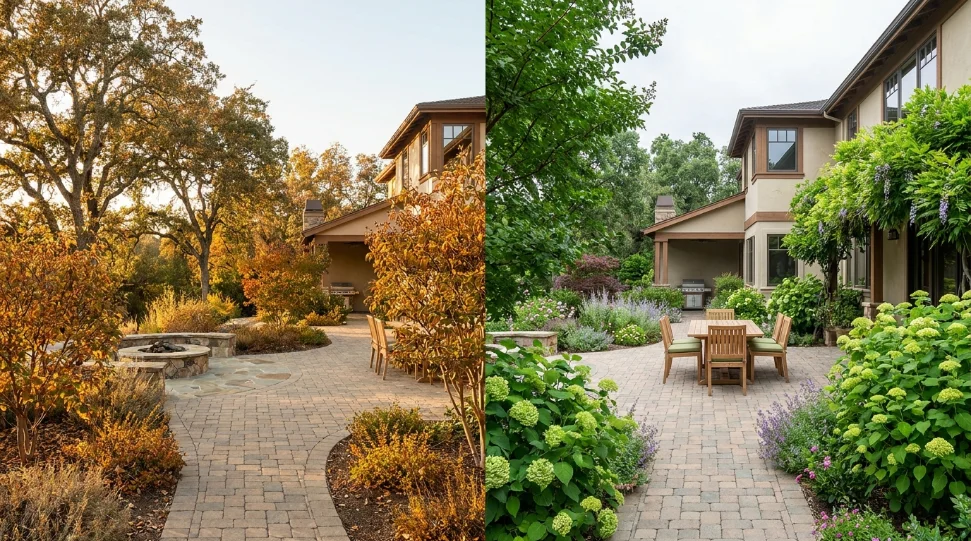
Fall vs. spring for paver installation
Both fall and spring can be practical seasons for paver installation, depending on the project and weather conditions.
Fall
Fall can be attractive because homeowners have an opportunity to complete outdoor projects before the wetter portion of the year becomes more established.
The key is avoiding a schedule that leaves major preparation or finishing work immediately exposed to persistent rain.
Spring
Spring can also provide a useful installation window as the wet season begins to ease.
However, weather can remain variable, and homeowners may also be competing for contractor availability as outdoor improvement projects become more popular.
Summer
Summer generally provides a longer dry-weather window for many exterior projects. That can make it useful for larger projects that require more preparation and coordination.
It can also be a good time to plan ahead rather than waiting until the following rainy season approaches.
| Season | Typical Planning Consideration | Potential Advantage |
|---|---|---|
| Summer | Generally drier conditions | More flexibility for larger projects |
| Early Fall | Plan before persistent rains | Useful pre-rainy-season window |
| Late Fall | Greater weather uncertainty | Can work with sufficient flexibility |
| Winter | More weather-dependent | Possible during suitable dry periods |
| Spring | Rain generally decreases | Good opportunity before summer |
How local Bay Area conditions affect installation timing
Installation timing can vary depending on where you live and the conditions of your property.
Concord and Walnut Creek
Inland East Bay properties can experience different weather patterns from coastal locations. Even when the weather is relatively dry, drainage planning remains important because the finished project will eventually need to handle seasonal rainfall.
Lafayette, Moraga, and Orinda
Properties with slopes or elevation changes deserve particular attention to grading and water movement. Your contractor should evaluate how runoff will interact with the new hardscape before installation begins.
Fremont and Palo Alto
Site conditions vary significantly from property to property. A driveway replacement and a backyard patio may have completely different access, drainage, and preparation requirements.
Los Altos and Atherton
Larger residential projects can involve multiple outdoor features, such as patios, outdoor kitchens, pergolas, landscaping, and pool areas. Coordinating those elements can make the installation schedule more important.
San Francisco and coastal areas
Coastal properties can have different moisture, wind, access, and microclimate conditions. A local site assessment is more useful than relying only on a general seasonal forecast.
What should you ask a paver contractor before scheduling?
Before approving an installation date, ask questions that reveal how the contractor plans around weather and site conditions.
- What parts of my project are most affected by rain?
- How will you handle unexpected rain during excavation or base preparation?
- How will you determine whether the base is ready for paver installation?
- What weather conditions are required for the joint material?
- What happens if a storm interrupts the installation?
- How will drainage be handled around the finished project?
- What weather conditions are required for sealing, if sealing is included?
The answers should be specific to your property and project.
BBP Pavers also provides warranty information for homeowners reviewing their options before moving forward. Review the BBP Pavers warranty information .
A practical example of planning a pre-rainy-season patio
Imagine a homeowner in Concord wants a new backyard patio completed before winter.
Instead of waiting until the first major storm appears in the forecast, the homeowner starts the planning process earlier.
The project team evaluates the existing surface, drainage, access, layout, and planned patio design. The homeowner then chooses a target installation period that leaves some flexibility for weather changes.
The important part is the sequence:
Site evaluation → design → preparation → base work → paver installation → joint finishing → final inspection
This approach provides more room to adjust the schedule instead of forcing the final stages into a narrow weather window.
For a larger outdoor renovation, that flexibility can be just as important as the initial installation date.
Frequently Asked Questions
Is fall the best time to install pavers in the Bay Area?
Fall can be a strong installation window because it may allow a project to be completed before the wetter winter period. The ideal timing depends on the project size, site conditions, contractor availability, and weather that year.
Can pavers be installed during the Bay Area rainy season?
Sometimes. Installation may be possible during suitable dry periods, but rain can complicate excavation, grading, base preparation, and finishing work. Your contractor should evaluate actual site conditions rather than treating the entire rainy season as either open or closed.
How long should I wait before sealing newly installed pavers?
There is no universal waiting period for every project. The appropriate timing depends on the pavers, joint material, sealer, surface condition, and manufacturer’s instructions. Your installer should provide product-specific guidance.
Does rain affect the foundation under pavers?
Rain can affect installation when soil or base materials become too wet for proper preparation and compaction. The concern is the condition of the foundation beneath the pavers, not simply whether the pavers themselves become wet.
Is spring or fall better for paver installation?
Both can work. Fall may provide an opportunity to complete a project before persistent winter rain, while spring can provide a useful window as the wet season decreases. The better option depends on the specific property and project schedule.
What should I ask before hiring a paver installer?
Ask about base preparation, drainage, weather delays, installation sequence, joint materials, warranties, licensing, insurance, and how unexpected site conditions will be handled.
Does BBP Pavers install pavers throughout the Bay Area?
BBP Pavers serves homeowners throughout the Bay Area, including communities in Contra Costa, Solano, Marin, San Francisco, San Mateo, and Santa Clara counties. Services include driveway pavers, walkway pavers, patio pavers, pool decks, retaining walls, outdoor kitchens, fire pits, pergolas, and other hardscape projects.
Plan your paver installation before the rainy season
The best time to install pavers is not simply the month with the least rain. It is the period when your contractor can complete preparation, base work, paver placement, drainage, joint finishing, and other project stages within a realistic weather window.
For many Bay Area homeowners, that means planning well before persistent winter rainfall and avoiding a schedule that leaves the final stages immediately exposed to incoming storms.
Start early, allow flexibility, and make sure your contractor can explain how the installation will handle both the current conditions and the seasonal rain that follows.
If you’re considering a new patio, driveway, walkway, pool deck, or outdoor living project, contact BBP Pavers to discuss your project and installation timeline .