Why Do Some Pavers Cost So Much More Than Others?

Why Do Some Pavers Cost So Much More Than Others?
If you’ve ever gotten a quote for a paver installation and felt a wave of sticker shock, you’re not alone. Homeowners across California ask the same question every day: why do pavers cost so much? The truth is, paver pricing is driven by a combination of material quality, labor complexity, site conditions, and long-term value — factors that most contractors never fully explain. In this guide, you’ll learn exactly what drives paver costs up, what you can do to get the best value for your investment, and why cutting corners almost always costs more in the long run. Keep reading to make a smarter, more confident decision before your next outdoor project.
Ready to get a free estimate tailored to your property? Contact BBP Pavers today and speak with a specialist.
What Are Pavers and Why Are They a Popular Choice?
Pavers are individual units — typically made from concrete, natural stone, brick, or porcelain — used to create durable, attractive outdoor surfaces like driveways, patios, walkways, and pool decks. Unlike poured concrete or asphalt, pavers interlock to form a flexible surface that resists cracking, allows for drainage, and can be repaired piece by piece.
Their popularity has surged in the Bay Area and across California because they combine aesthetic appeal with exceptional durability. A well-installed paver surface can last 25 to 50 years with minimal maintenance, making them a long-term investment rather than just a cosmetic upgrade.
To learn more about the different types of surfaces pavers can enhance, visit the BBP Pavers services page.
Why Do Pavers Cost So Much? The 6 Core Factors
Understanding why pavers cost so much starts with breaking down every component of the project. This is where most homeowners get surprised — the paver itself is often just a fraction of the total cost.
1. Labor and Installation Complexity
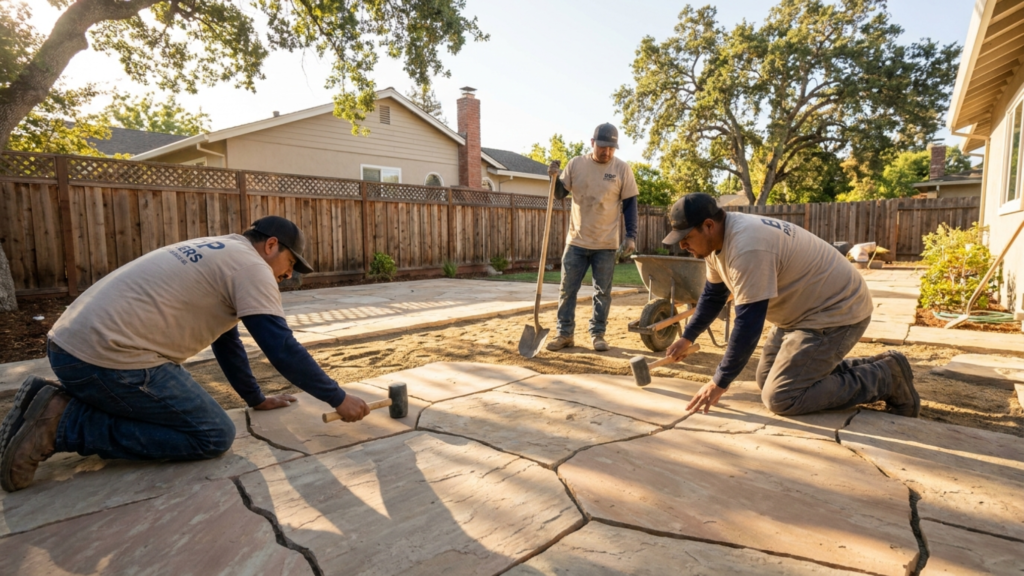
Labor typically accounts for 40% to 60% of the total project cost. Installing pavers is not a simple process — it requires excavation, grading, base preparation, sand bedding, pattern layout, cutting, and sealing. Each of these steps demands skilled labor and specialized equipment.
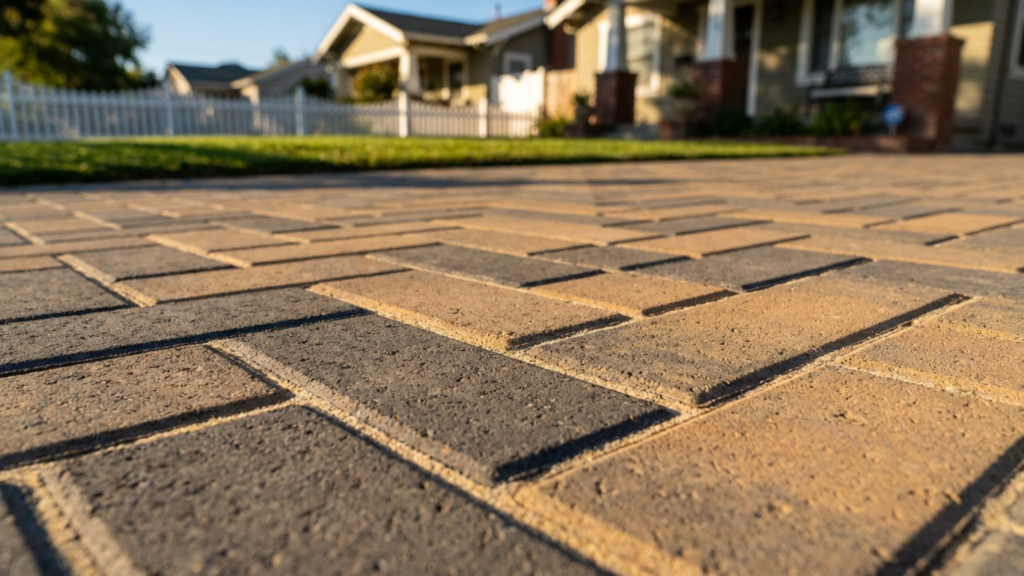
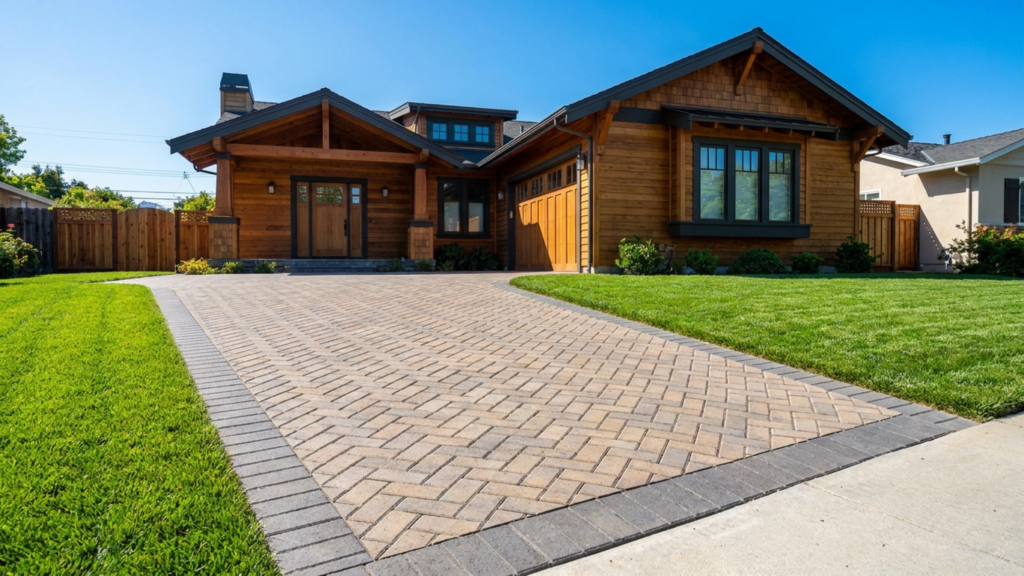
More complex patterns — like herringbone, basket weave, or circular medallion designs — take significantly longer to lay and require a higher level of craftsmanship. That complexity is reflected directly in the quote you receive.
At BBP Pavers, every installation follows a meticulous multi-step process to ensure the surface performs correctly for decades. You can learn more about the company’s approach at the About BBP Pavers page.
2. Base Preparation and Site Conditions
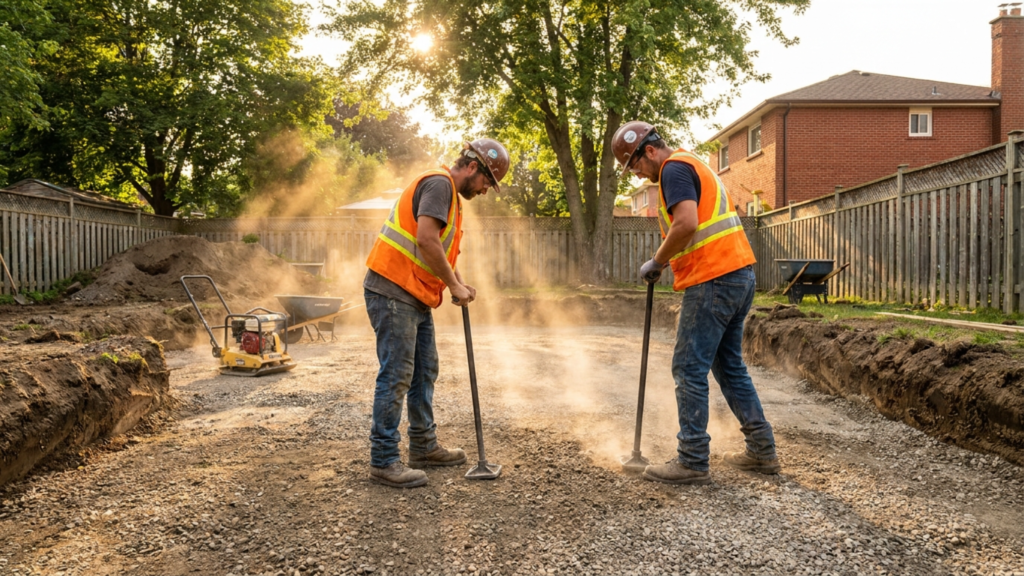
One of the most overlooked reasons why pavers cost so much is what happens underground. A proper paver base requires:
- Excavation of 6 to 12 inches of soil, depending on the application
- Compacted gravel sub-base (Class II road base is standard in California)
- Bedding sand layer, typically 1 inch deep
- Proper slope for drainage, usually 1.5% to 2% grade
If your site has poor drainage, clay soil, tree roots, or significant slope changes, the base work becomes more complex and more expensive. Skipping this step or doing it improperly leads to sinking, shifting, and cracking within just a few years.
This is a major area where low-bid contractors cut corners — and where homeowners pay twice.
3. Project Size and Scope
Paver pricing often follows an economy of scale — smaller projects cost more per square foot because mobilization costs, equipment, and setup time are fixed regardless of the project’s size. A 200-square-foot patio will have a higher per-square-foot cost than a 1,000-square-foot driveway.
Additionally, projects that combine multiple surfaces — for example, a patio connected to a walkway and a pool deck — require more coordination, more cuts, and more transitions between areas. Each added element adds cost.
4. Permits, Regional Regulations, and California-Specific Factors
In the Bay Area and throughout Contra Costa County, certain paver projects require building permits, especially for large driveways or projects near property lines and drainage easements. Permit fees, engineering reviews, and inspection requirements add both time and cost to the project.
California also has specific requirements around stormwater runoff and impervious surfaces in many municipalities, which may require the use of permeable pavers or specific drainage solutions — both of which cost more upfront.
BBP Pavers serves homeowners throughout Concord, Walnut Creek, Lafayette, Moraga, Orinda, Fremont, Los Altos, Palo Alto, and Atherton. If you’re in one of these areas, the team can guide you through local permitting requirements. Find your service area here.
5. Add-Ons, Borders, and Design Features
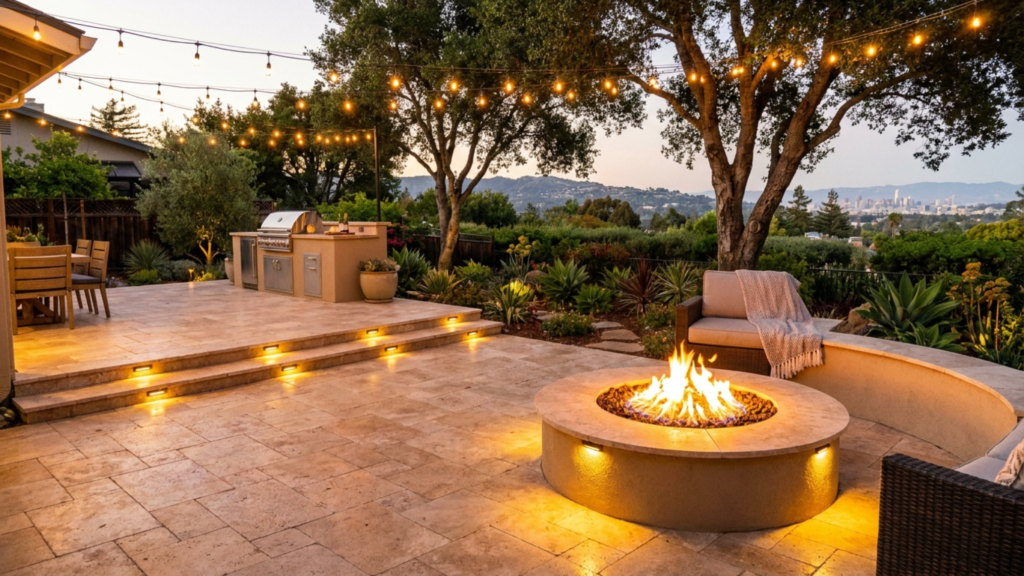
Decorative borders, contrasting inlays, step edges, and built-in lighting all add to the final cost. These are not unnecessary extras — they are the details that separate a functional paver surface from a truly impressive outdoor space.
Other common add-ons that affect pricing include:
- Retaining walls for sloped properties (view retaining wall services)
- Outdoor kitchens and BBQ islands (view outdoor kitchen services)
- Fire pits integrated into the paver design (view fire pit services)
- Pergolas and shade structures (view pergola services)
- Outdoor lighting for safety and ambiance (view outdoor lighting services)
Each of these elements requires its own labor, materials, and coordination — but they also dramatically increase the usability and resale value of your outdoor space.
6. Contractor Experience, Warranty, and Accountability
The final major factor is who is doing the work. A highly experienced, licensed, and insured contractor will charge more than an unlicensed day laborer — and for very good reason. A reputable contractor provides:
- Proper licensing and insurance protecting you from liability
- A written warranty on workmanship
- Manufacturer warranties on materials
- A documented process with clear timelines
BBP Pavers offers a comprehensive warranty on all installations. You can review the warranty details at the BBP Pavers warranty page. For homeowners who want to spread the cost over time, the company also offers financing options through the financing page.
Not sure what your project will cost? Request your free, no-obligation quote from BBP Pavers and get a clear breakdown before committing to anything.
Is the Cost of Pavers Worth It? A Real-World Perspective
One of the most common questions BBP Pavers hears from homeowners across the Bay Area is whether the investment is truly justified. The answer, supported by data and real client experiences, is consistently yes.
According to Remodeling Magazine’s Cost vs. Value Report, outdoor hardscaping projects — including paver driveways and patios — return between 50% and 80% of their cost at the time of resale. In high-demand markets like Palo Alto, Atherton, and Walnut Creek, that number can be even higher.
Here is what real clients have shared about their experience with BBP Pavers:
“BBP Pavers transformed our entire backyard. The team was professional, clean, and the patio looks absolutely stunning. Worth every penny.” — Maria T., Walnut Creek, CA (Google Review)
“We got three quotes. BBP wasn’t the cheapest, but the quality and warranty they offered made it an easy decision. Two years later, everything still looks brand new.” — David R., Concord, CA (Google Review)
“The driveway they installed completely changed the look of our home. Neighbors keep asking who we used. Highly recommend.” — Jennifer L., Lafayette, CA (Yelp Review)
For homeowners interested in projects near Concord, detailed local information is available on the Concord paver installation page. Similar resources exist for Walnut Creek, Lafayette, and Palo Alto.
Common Mistakes Homeowners Make When Getting Paver Quotes
Understanding why pavers cost so much also means understanding what leads to bad purchases. Here are the most frequent mistakes to avoid:
Choosing the lowest bid without comparing scope. A quote that seems 30% cheaper may not include proper base work, sealing, or waste material allowance. Always compare apples to apples.
Underestimating the square footage. Most projects end up 10% to 15% larger than the initial estimate once final measurements are taken. Always ask for a fixed contract or a clear per-square-foot rate.
Ignoring drainage planning. Poor drainage is the number one cause of paver failure. Any contractor who does not discuss slope and water management during the quoting phase should raise a red flag.
Skipping the sealer. Sealant protects pavers from oil stains, weather, and color fading. It is typically an add-on, but it is an essential one.
Not asking about the warranty. If a contractor cannot provide a written warranty, that tells you everything you need to know about their confidence in their own work.
For additional guidance on what to expect from the process, the BBP Pavers FAQ page covers the most common questions homeowners ask before starting a project.
For independent research, resources like HomeAdvisor, Angi, and Houzz can provide additional contractor reviews and cost benchmarks in your area.
How to Get the Best Value When Pavers Cost So Much
Getting the best value from your paver investment is about more than negotiating price. Here are proven strategies:
- Get at least three detailed written quotes — not just ballpark estimates.
- Ask specifically what the base preparation includes — depth, material type, and compaction method.
- Request references from completed projects in your neighborhood.
- Ask about off-season discounts — late fall and winter installations in California often come at a lower price since demand drops.
- Bundle multiple surfaces — combining a patio, walkway, and driveway in one contract usually reduces the per-square-foot cost.
- Review financing options — companies like BBP Pavers offer structured payment plans that make larger projects accessible without sacrificing quality.
FAQ: Why Do Pavers Cost So Much?
Q1: Why do pavers cost so much compared to concrete? Pavers cost more than poured concrete because they require individual placement, a more complex base system, and skilled labor for pattern cutting and finishing. However, they also last longer, look better, and can be repaired without breaking out the entire surface — making them more cost-effective over time.
Q2: What is the average cost of paver installation in California? In the Bay Area, the average installed cost of pavers ranges from $12 to $40 per square foot, depending on the material, project complexity, and site conditions. Concrete pavers are typically at the lower end, while natural stone and porcelain are at the higher end.
Q3: Can I reduce paver costs without sacrificing quality? Yes. Choosing concrete pavers over natural stone, simplifying the pattern design, bundling multiple surfaces into one contract, and scheduling outside peak season are all effective ways to reduce cost without compromising on durability or appearance.
Q4: How long do pavers last compared to other surfaces? Properly installed pavers can last 25 to 50 years. Poured concrete typically lasts 20 to 30 years before showing significant cracking, while asphalt may need resurfacing every 10 to 15 years. The longer lifespan makes pavers a strong financial choice.
Q5: Does BBP Pavers offer financing for large projects? Yes. BBP Pavers offers flexible financing options for qualified homeowners. You can review the available plans on the financing page or call the office at +1 844-497-3321 to discuss your project.
Conclusion
Understanding why pavers cost so much removes the frustration from the quoting process and helps you make a decision based on value rather than just price. The true cost of pavers reflects skilled labor, quality materials, proper base preparation, regional regulations, and the accountability of a professional contractor — all factors that protect your investment for decades to come.
When you choose BBP Pavers, you are working with a team that has built its reputation across Concord, Walnut Creek, Lafayette, and the entire Bay Area on transparency, craftsmanship, and results that last.
Ready to start your paver project in the Bay Area? Request your free estimate today and discover exactly what your investment will include. You can also explore the full range of BBP Pavers services or visit the office at 4918 Clayton Rd, Concord, CA 94521. Call anytime during business hours: Monday–Friday 9 AM–5 PM, Saturday 9 AM–2 PM, at +1 844-497-3321. Email: bbppavers@gmail.com
Follow BBP Pavers on Facebook, Instagram, and Pinterest for project inspiration and updates.