The Complete Guide to Outdoor Living Space Design

Ready to transform your yard? Get a Free Quote from BBP Pavers →
Thinking about transforming your backyard? Outdoor living space design is one of the most valuable investments a homeowner can make — both in lifestyle and in property value. This complete guide walks you through every step of the process, from planning and material selection to must-have features and common mistakes to avoid. Whether you are starting from a blank yard or upgrading an existing patio, you will find everything you need right here. Continue reading to discover how to build the perfect outdoor living space for your home.
At BBP Pavers, based in Concord, CA, we have transformed hundreds of backyards across the Bay Area — from Walnut Creek to Palo Alto. Our outdoor living space design experience covers everything from simple paver patios to full luxury backyard transformations.
What Is Outdoor Living Space Design?
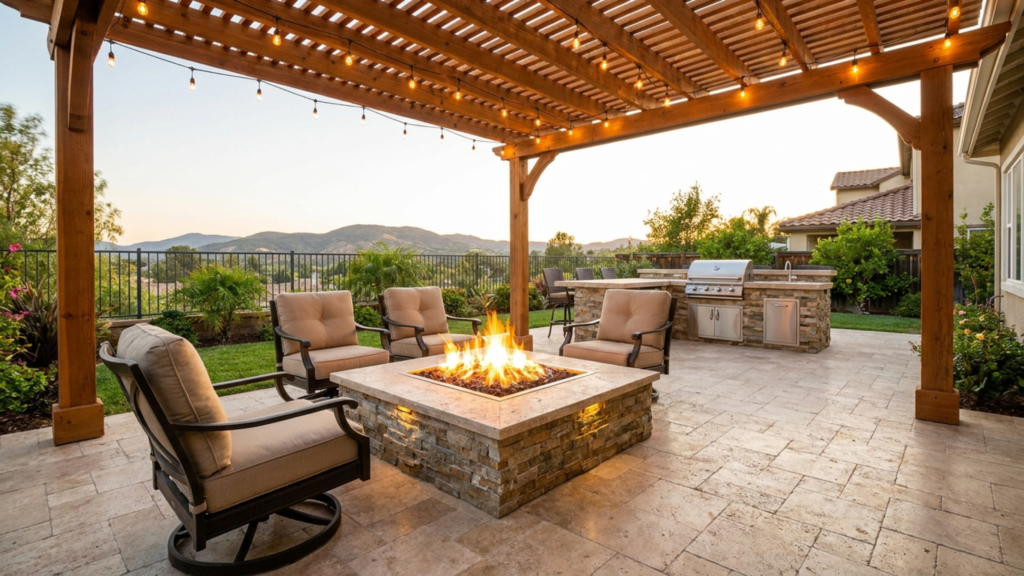
Outdoor living space design is the process of planning and building functional, beautiful areas outside your home — intended for relaxation, dining, entertaining, and recreation. Unlike a simple lawn or garden, a professionally designed outdoor space functions as a true extension of your interior living area, complete with seating, hardscape surfaces, lighting, and sometimes appliances.
A complete outdoor living space design typically covers: choosing the right hardscape materials (like patio pavers or concrete), selecting soft-scape elements such as artificial turf, and integrating features like outdoor kitchens, fire pits, and pergolas.
Why Outdoor Living Space Design Matters More Than Ever
Homeowners who invest in professionally planned outdoor living space design see an average return of 80% or more on resale value (National Association of Realtors). Beyond finances, a well-executed outdoor space reduces stress, increases usable square footage, and creates a gathering space your family will use year-round.
Key Benefits
- Increases home resale value by 10–15% on average.
- Extends usable living area without the cost of a home addition.
- Reduces household stress — outdoor exposure lowers cortisol levels.
- Creates a centralized gathering space for family and guests.
- Improves drainage and stability when using retaining walls and permeable pavers.
“BBP Pavers completely transformed our backyard. The paver patio, fire pit, and pergola they installed have become the heart of our home. We use the space every single weekend. Worth every penny.”★★★★★ Maria S. — Google Review, BBP Pavers Concord CA
How to Plan Your Outdoor Living Space Design: Step by Step
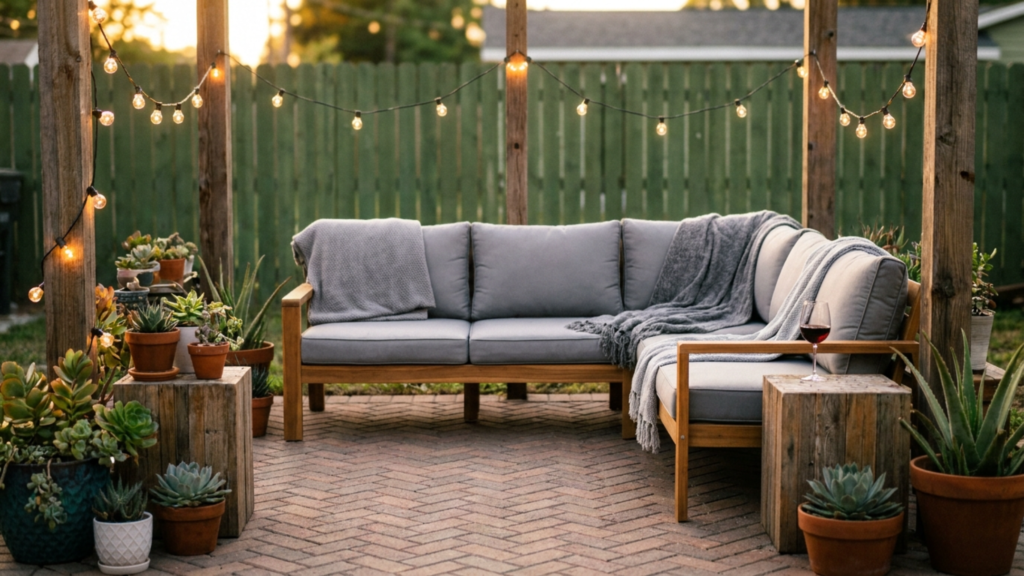
Proper planning is the foundation of every successful outdoor living space design. Skipping this phase is the number-one reason projects go over budget or miss the mark. Here is the step-by-step process we use at BBP Pavers for every project across the Bay Area.
Step 1: Define Your Goals and Lifestyle Needs
Start by asking: How will I actually use this space? A family with young children needs different features than a couple who loves hosting dinner parties. Write down your top three priorities before consulting any contractor.
- List every activity you want to do outdoors (cooking, lounging, playing, dining).
- Identify how many people typically use the space at one time.
- Set a realistic budget — include a 10–15% contingency buffer.
- Note any existing features you want to keep or remove.
Step 2: Evaluate Your Site Conditions
Soil type, slope, drainage patterns, and sun exposure all determine what is possible. In areas like Orinda and Moraga, hillside lots often require engineered retaining walls before any paving begins.
- Check sun and shade patterns at different times of day.
- Assess slope — gradients over 2% may need grading solutions.
- Test soil drainage — poor drainage undermines even quality driveway pavers.
- Identify utility lines before any excavation (call 811 first).
Step 3: Create a Functional Zone Layout
Think of your outdoor space the way an interior designer thinks about a living room. Every great outdoor living space design includes distinct zones for different activities.
- Dining zone — flat, level surface close to the house.
- Lounge zone — comfortable seating around a fire pit focal point.
- Active zone — open lawn or play area with artificial turf.
- Transition zone — walkways and steps connecting each area.
Step 4: Select Your Hardscape Materials
Material selection is the most impactful decision in outdoor living space design. It defines the look, feel, maintenance demands, and long-term durability of the entire project.
| Feature | Concrete Patio | Paver Patio | Wood Deck | Artificial Turf |
|---|---|---|---|---|
| Durability | 15–25 yrs | 25–50 yrs | 10–20 yrs | 10–20 yrs |
| Maintenance | Moderate | Low | High | Very Low |
| Design Flexibility | Low | Very High | Moderate | Moderate |
| Avg Cost / sq ft | $8–$15 | $15–$30 | $15–$35 | $12–$20 |
| Repair Ease | Difficult | Very Easy | Moderate | Easy |
| Eco-Friendly | No | Yes (permeable) | Partial | Partial |
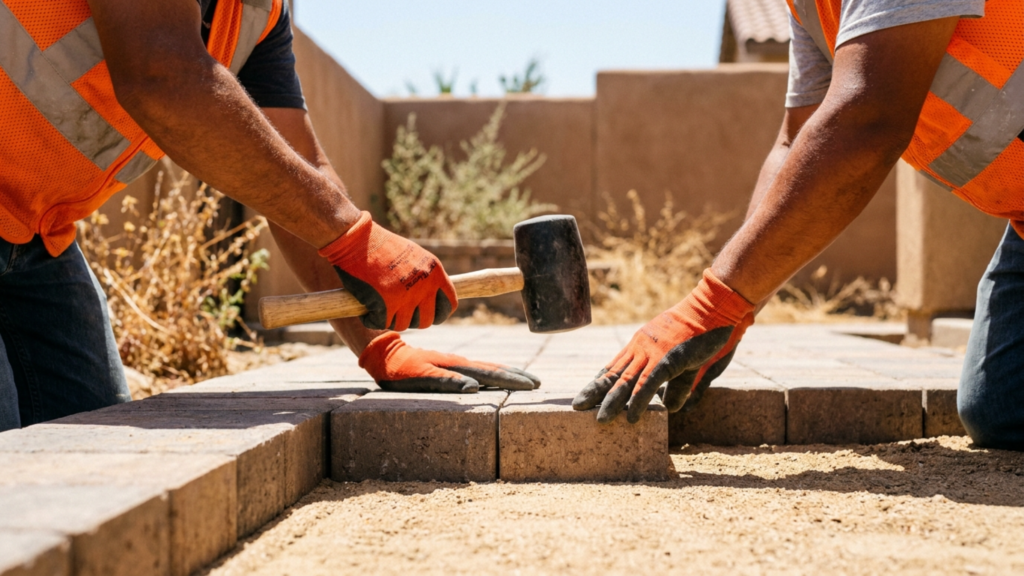
For most Bay Area homeowners, concrete or clay patio pavers offer the best combination of durability and design flexibility. Explore our walkway pavers page to see how paths tie your zones together.
Essential Features to Include in Your Outdoor Living Space Design
Once the hardscape is set, these features transform a plain patio into a true outdoor living space design that gets used every day.
Outdoor Kitchens and BBQ Islands
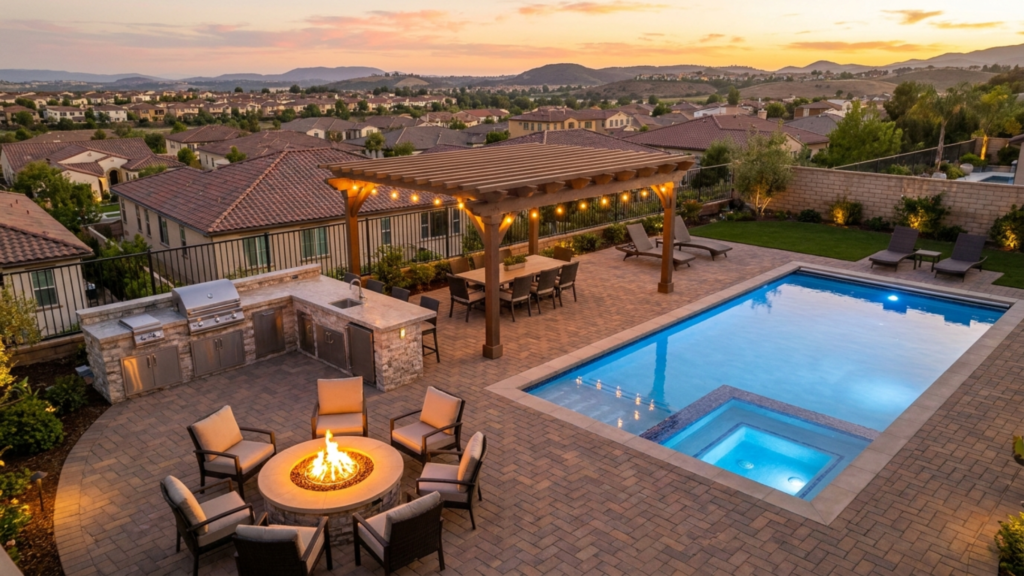
A built-in outdoor kitchen is the highest-ROI feature in any backyard. Homeowners in Palo Alto and Atherton regularly invest $15,000–$50,000 in outdoor kitchen and BBQ island installations. Key elements: built-in grill, side burners, refrigeration, countertop space, and weather-resistant cabinetry.
Fire Pits and Fireplaces
A fire pit extends your outdoor season by months. Gas fire pits offer instant ignition with no cleanup. Wood-burning pits deliver traditional ambiance. Both become immediate focal points that anchor the lounge zone of any outdoor living space design.
Pergolas and Shade Structures
Shade is non-negotiable in California. A pergola provides partial shade, defines a zone, and gives you structure to hang string lights and outdoor curtains. Modern motorized louvered models let you control light and rain at the touch of a button.
Outdoor Lighting
Professional outdoor lighting transforms your yard into a year-round entertaining environment. Path lights, uplighting for trees, and accent lights on paver surfaces extend usability well into the evening hours.
Pool Decks, Fencing, and Privacy Walls
For pool homes, a pool deck in textured, non-slip pavers is a safety requirement and a design statement. Add a wood fence or walls and pillars for privacy and visual definition.
Serving Concord, Lafayette, Fremont, Los Altos, and the entire Bay Area. View all service areas →
Artificial Turf: The Low-Maintenance Lawn Solution
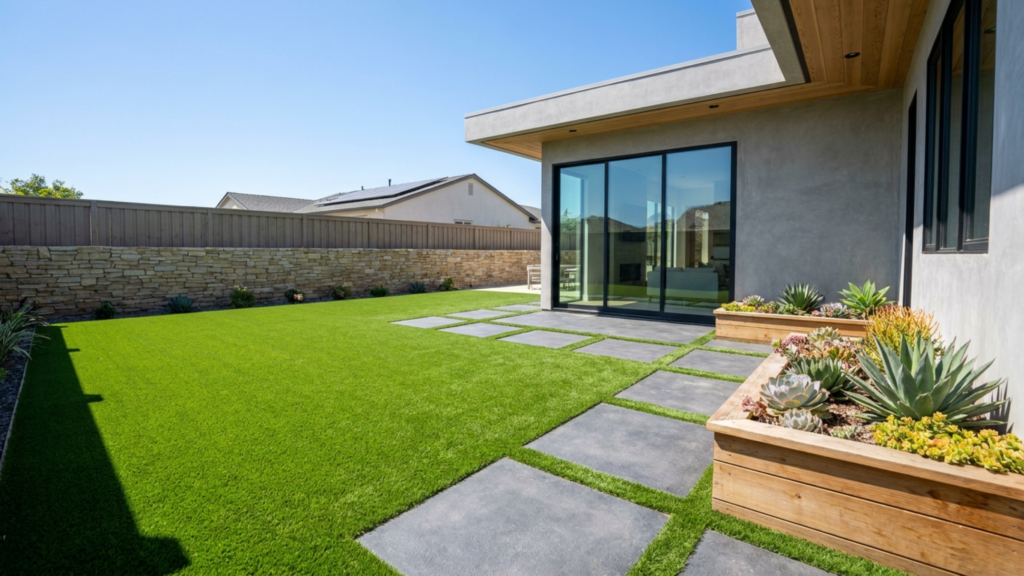
California homeowners are choosing artificial turf as a water-wise complement to their outdoor living space design. In drought-prone regions like Fremont and Los Altos, synthetic turf cuts outdoor water use by up to 70% while staying perfectly green all year. Pet-friendly, zero mowing, and highly durable under heavy foot traffic.
A well-installed system includes a compacted gravel base, weed barrier, and premium infill pile. BBP Pavers installs turf backed by a 10-year manufacturer warranty. See our full artificial turf service page for details.
7 Common Outdoor Living Space Design Mistakes to Avoid
Even well-funded projects fail when these errors are overlooked. Here are the seven most common outdoor living space design mistakes we encounter across the Bay Area.
- Skipping the base preparation. Pavers on uncompacted soil shift and crack within 2–3 years. Always require a minimum 4-inch compacted gravel base.
- Underestimating drainage. Slope all hardscape surfaces at 1–2% grade away from the structure to prevent water pooling.
- Choosing style over function. Glossy marble pavers are slick when wet. Use textured, slip-resistant surfaces near water features.
- Ignoring scale and proportion. Oversized furniture on a small patio feels cramped. Lay out your furniture on paper before buying.
- Neglecting lighting in the design phase. Plan conduit runs before pavers are set — not after.
- Wrong materials for the local climate. Bay Area clay soils expand and contract. Interlocking pavers flex and self-heal — the optimal choice.
- DIY-ing structural elements. Retaining walls over 3 feet require permits in Concord, Walnut Creek, and most California cities. Hire a licensed contractor.
Project Spotlight: Outdoor Living Space Transformation in Lafayette, CA
Challenge: A homeowner in Lafayette had a steep slope, heavy clay soil, and no defined outdoor space.
Solution: BBP Pavers designed a two-tiered outdoor living space: upper tier with a custom BBQ island on travertine pavers, lower tier with a gas fire pit lounge. A paver staircase with integrated LED lighting connects both levels. A stacked-stone privacy wall completed the space.
Result: Completed in 18 working days, under budget.
“Our BBP Pavers project has completely changed how we live. We are outside every evening — something we could never say before. The craftsmanship is outstanding.”★★★★★ David R. — Yelp Review, BBP Pavers
See more projects on our Google Business Profile, Yelp, and Pinterest.
Helpful Tools for Planning Your Outdoor Space
- Houzz Ideabook — organize design inspiration by style, material, and budget.
- Angi — find licensed local contractors with verified reviews.
- HomeAdvisor Cost Guide — research average project costs in your zip code.
- Learn About Pavers — BBP Pavers materials guide.
- FAQ — answers about installation, permits, and maintenance.
- Financing — flexible payment plans.
- Warranty — what is covered and for how long.
Frequently Asked Questions About Outdoor Living Space Design
How much does outdoor living space design cost?
In the San Francisco Bay Area, a basic paver patio starts at $8,000–$15,000 for 400 sq ft. A full outdoor living space design — including a kitchen, fire pit, pergola, and lighting — typically ranges from $40,000 to $120,000+. Request a free consultation for an accurate estimate.
Do I need a permit to build a patio or pergola in California?
Simple paver patios at grade usually do not require a permit. Pergolas, retaining walls over 3 feet, outdoor kitchens with gas lines, and electrical work typically require permits. BBP Pavers handles all permit applications for projects across the Bay Area.
What are the best materials for outdoor living space design in California?
Concrete and clay pavers offer the best durability and design flexibility for California climates. Travertine is ideal for pool decks. Artificial turf is the top water-wise lawn alternative.
How long does an outdoor living space project take?
A standard paver patio takes 3–7 business days. Larger projects with kitchens, retaining walls, and pergolas take 2–6 weeks depending on permits and material lead times.
Does BBP Pavers offer financing?
Yes. BBP Pavers offers flexible financing options to help you move forward without waiting. Contact us to discuss a plan that fits your budget.
Conclusion: Start Your Outdoor Living Space Design Today
This complete guide to outdoor living space design has covered everything — from initial planning and material selection, to essential features and common mistakes to avoid. The key takeaway: great outdoor spaces do not happen by accident. They are the result of careful planning, quality materials, and experienced execution.
Bay Area homeowners trust BBP Pavers because we design and build complete outdoor environments that last. Whether you are in Concord, Palo Alto, Fremont, or anywhere across the Bay Area — our team is ready to bring your vision to life. Follow us on Instagram and Facebook for project photos and seasonal promotions.
Ready to start your outdoor living space design?
Contact BBP Pavers for your FREE, no-obligation consultation in the Bay Area.Schedule Your Free Quote Now →
BBP Pavers | 4918 Clayton Rd, Concord, CA 94521 | +1 844-497-3321 | bbppavers@gmail.com
Mon–Fri 9 AM–5 PM | Saturday 9 AM–2 PM