Pool Deck Pavers: The Ultimate Guide for Homeowners 2026

Did you know that homeowners who install pool deck pavers can increase their property value by up to 15%? If your pool area still has cracked concrete or a slippery surface that fades every season, you are leaving both safety and money on the table. Pool deck pavers are one of the smartest upgrades you can make in 2026 — combining durability, slip resistance, aesthetic variety, and long-term cost efficiency in a single investment.
In this guide, you will learn everything about pool deck pavers: the best materials available, real costs, step-by-step installation process, common mistakes to avoid, and how to choose the right contractor for your home. Whether you are in Concord, Walnut Creek, Palo Alto, or anywhere in the Bay Area, this is the resource you have been looking for. Keep reading to find out how to transform your backyard into the outdoor retreat you deserve.
Ready to upgrade your pool area? Request your free quote from BBP Pavers today and speak with a local specialist.
What Are Pool Deck Pavers?
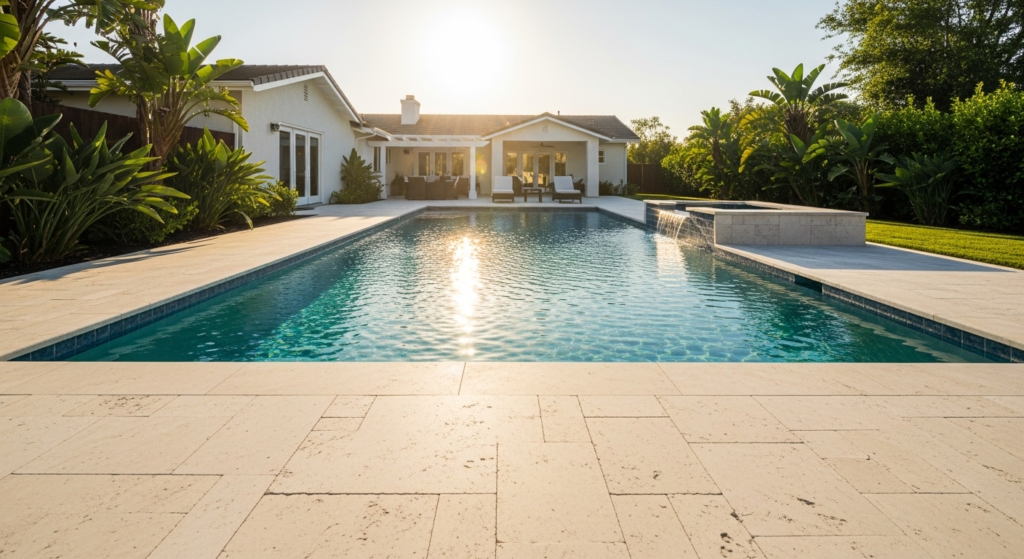
Pool deck pavers are individual interlocking units — made from concrete, natural stone, brick, or porcelain — that are installed around the perimeter of a swimming pool to create a stable, attractive, and safe surface. Unlike poured concrete, pavers are modular, meaning each unit can be replaced independently if damaged, making maintenance significantly easier and more cost-effective over time.
The term “pool deck pavers” covers a wide range of products, from budget-friendly concrete blocks to premium travertine and bluestone slabs. What they all share is a design intent: to provide a non-slip, heat-resistant, weather-durable surface that can handle bare feet, wet conditions, pool chemicals, and direct sunlight year after year.
For homeowners in California, where outdoor living is a lifestyle, not a luxury, choosing the right pool deck pavers means getting a surface that performs beautifully across all seasons — from the dry Bay Area summers to the mild winters of Contra Costa County.
Why Pool Deck Pavers Are Worth the Investment
Durability That Outlasts the Competition
Poured concrete cracks. Stamped concrete chips. Wood decks rot and warp. Pool deck pavers, when installed correctly, resist all of these problems. High-quality pavers can last 20 to 50 years with minimal maintenance, making them one of the longest-lasting outdoor surfaces available to homeowners.
The interlocking system used in paver installation also allows natural ground movement without the cracking that plagues monolithic concrete. If a single paver shifts or stains, it can be removed and replaced without affecting the surrounding installation.
Safety First: Slip Resistance Near Water
One of the most critical features of pool deck pavers is their textured surface, which provides grip even when wet. Travertine, for example, has a naturally porous and brushed texture that dramatically reduces slipping risk. Most concrete pavers are also manufactured with a broom or exposed aggregate finish specifically designed for wet environments.
This matters enormously in households with children, elderly family members, or frequent pool parties. A beautiful surface that is also safe is not a compromise — it is exactly what pool deck pavers deliver.
Property Value and Curb Appeal
A professionally installed pool deck with quality pavers immediately signals premium outdoor living. Real estate professionals consistently note that well-designed pool areas increase buyer interest and perceived property value. In competitive Bay Area markets like Palo Alto, Atherton, and Walnut Creek, this edge matters.
Best Types of Pool Deck Pavers: A Material Comparison
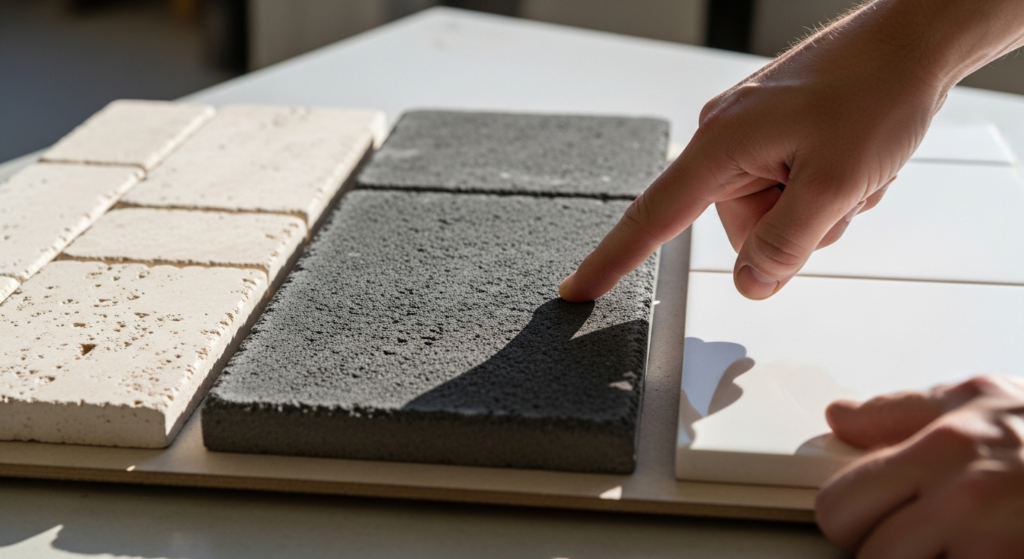
Choosing the right material for your pool deck pavers depends on your budget, aesthetic preferences, climate, and maintenance tolerance. Here is a breakdown of the most popular options in 2026.
Travertine Pool Deck Pavers
Travertine is the gold standard for pool deck pavers in 2026. Its natural porous surface stays significantly cooler than concrete under direct sun — a critical advantage during California summers. Travertine is also waterproof, frost-resistant, and comes in a wide range of earth tones from classic ivory to walnut brown.
At BBP Pavers, travertine pool deck installations are among the most requested projects across Concord, Lafayette, and Orinda. Homeowners consistently report that the investment pays for itself in curb appeal and reduced maintenance costs within the first few years.
Concrete Pool Deck Pavers
Concrete pavers offer the best value for homeowners who want durability and design flexibility without the premium price tag of natural stone. They are available in hundreds of shapes, colors, and textures, and modern manufacturing techniques have made them nearly indistinguishable from natural stone at a fraction of the cost.
They are also highly customizable — you can combine different sizes and colors to create patterns like herringbone, running bond, or basketweave that give your pool area a unique, designed look. Explore BBP Pavers’ pool deck services to see real examples from Bay Area installations.
Porcelain Pool Deck Pavers
Porcelain is gaining significant popularity in 2026 for homeowners who want an ultra-modern, low-maintenance surface. Porcelain pavers are virtually non-porous, which means they resist staining from pool chemicals, algae, and sunscreen. They are available in large-format slabs (24×24 or 24×48 inches) that create a seamless, contemporary aesthetic.
The main consideration with porcelain is installation: it requires a more precise base preparation and professional-grade tools. This is not a DIY project — working with an experienced installer like BBP Pavers ensures a result that lasts.
How Much Do Pool Deck Pavers Cost in 2026?
The average cost to install pool deck pavers ranges from $12 to $40 per square foot, depending on material choice, pool size, site preparation needs, and regional labor rates. For a standard 500 square foot pool deck, homeowners typically invest between $6,000 and $20,000 for a complete, professional installation.
What Factors Affect the Price?
The final cost of your pool deck paver project is shaped by several variables:
- Material selected — Travertine and porcelain cost more than concrete or brick
- Pool deck size and shape — Irregular shapes require more cutting and labor
- Existing surface removal — Tearing out old concrete adds $1–$3 per square foot
- Base preparation — Proper compaction and drainage layers are non-negotiable for longevity
- Sealing and finishing — A quality sealer protects your investment and enhances color
- Local labor rates — Bay Area installation costs reflect the higher cost of living compared to national averages
BBP Pavers offers flexible financing options to make your dream pool deck accessible without the financial strain of a large upfront investment.
Want an accurate estimate for your project? Contact BBP Pavers at +1 844-497-3321 for a free, no-obligation consultation with our team in Concord, CA. We serve homeowners across Walnut Creek, Fremont, Los Altos, and beyond.
How to Install Pool Deck Pavers: Step-by-Step Process
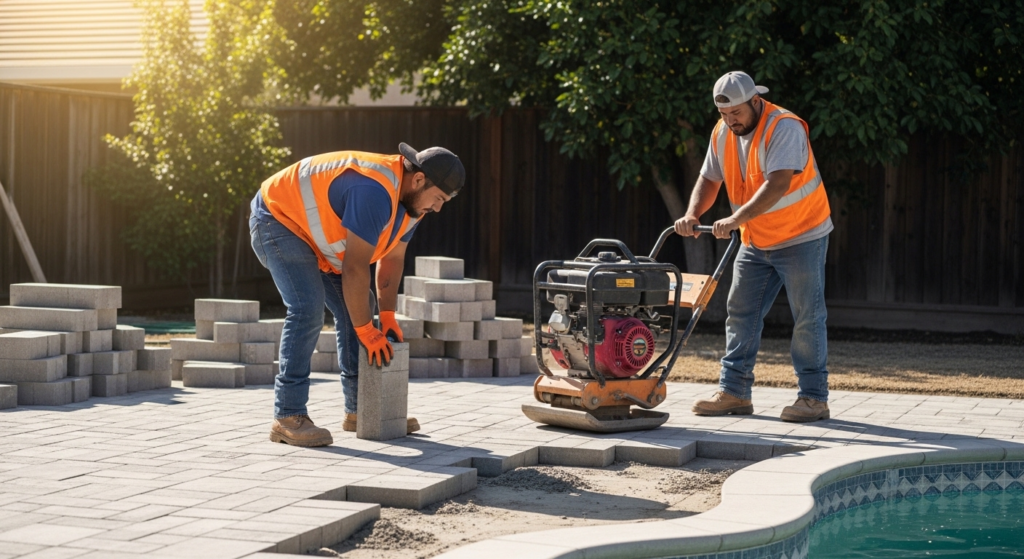
Installing pool deck pavers is a multi-phase process that requires careful planning, proper drainage design, and the right tools. Here is exactly how a professional installation unfolds.
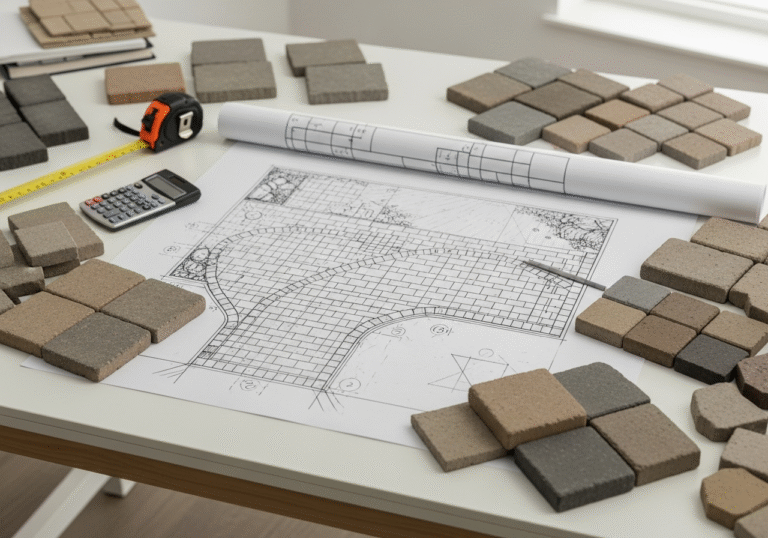
- Site Assessment and Design Planning — Measure the pool perimeter, identify drainage flow direction, and finalize material and pattern selection.
- Excavation — Remove existing surface material and excavate to the correct depth (typically 6–8 inches for pool decks).
- Base Layer Installation — Compact a crushed stone aggregate base (Class II or road base) to create a stable, load-bearing foundation.
- Sand Bedding Layer — Apply a 1-inch layer of coarse concrete sand, screed it flat, and verify slope (minimum 1% away from pool).
- Paver Laying — Begin laying pool deck pavers from a fixed edge, maintaining consistent joint spacing using spacers or alignment strings.
- Cutting and Fitting — Cut border pavers to fit curves and edges using a wet saw or angle grinder.
- Compaction — Run a plate compactor over the installed pavers to seat them firmly into the sand bed.
- Joint Sand Application — Sweep polymeric sand into all joints, compact again, and activate with water to lock pavers in place.
- Sealing — Apply a penetrating or film-forming sealer appropriate for the chosen paver material.
- Final Inspection — Check for lippage, drainage performance, and joint consistency before project sign-off.
Why Drainage Matters More Than People Think
Drainage is the most underestimated element of a successful pool deck paver project. Without proper slope and a well-designed drainage system, water pools on the deck surface, creating slip hazards and accelerating the deterioration of the sand base. Every pool deck BBP Pavers installs includes a thorough drainage analysis as part of the design phase.
A minimum 1% slope away from the pool (about 1/8 inch per foot) channels water toward designated drainage points, keeping your deck dry and safe within minutes of rain or splashing. Combining pavers with a retaining wall system can further control water flow on sloped properties.
Top Design Ideas for Pool Deck Pavers in 2026
Pool deck pavers are no longer just a functional surface — they are the foundation of a complete outdoor living space. In 2026, the most popular design trends for pool deck pavers center around natural textures, neutral color palettes, and seamless integration with other outdoor features.
Complementary Features That Elevate Your Pool Deck
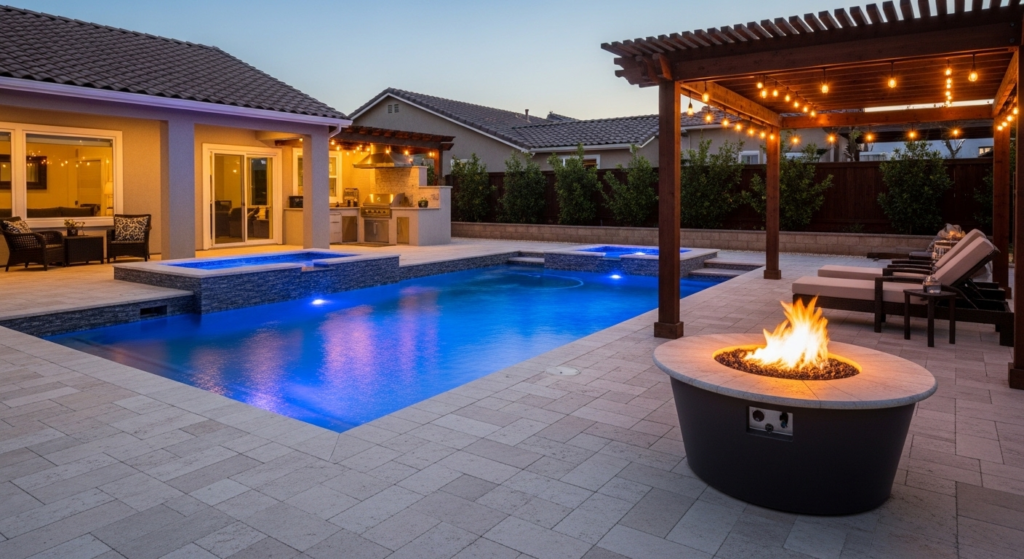
The best pool deck projects in 2026 do not stop at the water’s edge. Homeowners are combining their pool deck pavers with:
- Outdoor kitchens and BBQ islands for full-scale entertaining spaces
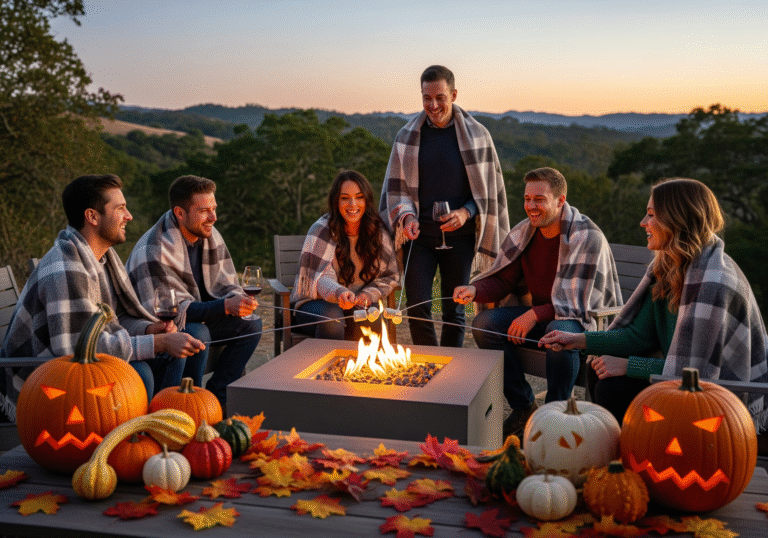
- Fire pits to extend outdoor use into cooler evenings
- Pergolas for shade and architectural character
- Artificial turf as a soft, green contrast to the hard paver surface
- Outdoor lighting to create ambiance and improve safety at night
- Walls and pillars that frame the pool area and add architectural definition
This integrated approach transforms your backyard from a pool surrounded by stone into a complete outdoor destination. Explore the full range of BBP Pavers services to see what is possible.
Common Mistakes Homeowners Make With Pool Deck Pavers
Avoiding these errors will save you thousands of dollars and years of frustration.
1. Skipping the Base Preparation
The biggest mistake in any paver project is inadequate base preparation. A thin or poorly compacted base leads to sunken pavers, uneven surfaces, and drainage failures within just a few seasons. Always insist on a minimum 4-inch compacted aggregate base — more for pool decks where water exposure is constant.
2. Choosing the Wrong Material for the Climate
Not all pavers perform equally in all climates. In freeze-thaw environments, non-frost-resistant materials can crack after just one winter. In California’s sun-heavy climate, dark-colored concrete pavers absorb excessive heat. Lighter natural stones like travertine or limestone are far more comfortable underfoot during peak summer.
3. Ignoring Slip Ratings
Every pool deck paver material has a coefficient of friction (COF) rating. For wet, barefoot areas like pool decks, the American with Disabilities Act (ADA) recommends a minimum COF of 0.6. Always ask your installer for the slip resistance rating of any material you are considering.
4. Not Sealing the Pavers
Sealing is not optional for pool deck pavers. Pool chemicals, sunscreen residue, and standing water will stain and degrade unsealed surfaces rapidly. A quality penetrating sealer applied every 2–3 years maintains color, repels stains, and extends the life of the installation significantly. BBP Pavers includes a sealing recommendation as part of every pool deck project, backed by a solid warranty.
5. Hiring an Unlicensed Contractor
This cannot be overstated. Pool deck installation near water involves structural, drainage, and safety considerations that require licensed, insured professionals. An improperly installed pool deck can void your homeowner’s insurance and create significant liability. Always verify licensing, read reviews on platforms like Yelp, and ask for references before signing a contract.
What BBP Pavers Customers Are Saying
Real homeowners across the Bay Area have trusted BBP Pavers with their pool deck and outdoor living projects. Here is what some of them share:
“BBP Pavers did an incredible job on our pool deck. The travertine they recommended is gorgeous and stays cool even on the hottest days. The team was professional, clean, and finished on time. Highly recommend!” — Sarah M., Walnut Creek, CA ⭐⭐⭐⭐⭐
“We got three quotes and BBP Pavers was clearly the most knowledgeable. They designed the drainage slope, suggested a pattern that matched our home’s exterior, and the result is stunning. Our neighbors keep asking who we used.” — James R., Concord, CA ⭐⭐⭐⭐⭐
“From the initial consultation to the final sealing, the whole process was smooth and stress-free. The pool deck pavers look exactly as promised. Worth every penny.” — Lisa T., Lafayette, CA ⭐⭐⭐⭐⭐
You can see more reviews and our full project portfolio on Google Maps and Yelp. Follow our latest projects on Instagram and Facebook.
Case Study: Concord Homeowner Transforms Crumbling Concrete Into a Resort-Style Pool Deck
A homeowner on Clayton Road in Concord, CA contacted BBP Pavers after their poured concrete pool deck had developed significant cracking and surface spalling after just eight years. The existing surface was also causing drainage issues, with water pooling near the home’s foundation.
The challenge: Remove approximately 650 square feet of cracked concrete, regrade the subgrade for correct drainage slope, and install a new surface that would last decades and complement their recently renovated backyard.
The solution: BBP Pavers specified a 650 sq ft travertine pool deck in ivory/walnut cross-cut finish, with a custom-designed linear drain integrated into the paver border. The project also included a small retaining wall to address the grade change on the property’s south side.
The result: Project completed in 4 days. The homeowner reported the new surface stayed 15°F cooler than the old concrete on the same day, zero drainage issues in the first rainy season, and three neighbor referrals within the first month. Total investment: $14,800. Estimated ROI in property value: $20,000+.
How to Maintain Your Pool Deck Pavers Year-Round
Maintaining pool deck pavers is straightforward when you follow a consistent care routine.
- Weekly: Rinse with a garden hose to remove dirt, sunscreen, and chlorine splash residue
- Monthly: Inspect joints for weed growth or sand erosion; apply polymeric joint sand as needed
- Seasonally: Check for any shifted or sunken pavers, especially after heavy rainfall
- Every 2–3 years: Re-apply a quality paver sealer to maintain stain resistance and color vibrancy
- Annually: Professional inspection recommended for larger pool decks (500+ sq ft)
Avoid using high-pressure washers directly on the joint sand, as this erodes the polymeric bond. A medium-pressure setting at a 45-degree angle is safe and effective for stubborn stains. For information on proper paver care, visit our About Pavers page.
FAQ: Pool Deck Pavers
What is the best material for pool deck pavers?
Travertine is widely considered the best material for pool deck pavers in 2026 due to its natural slip resistance, heat dissipation, durability, and aesthetic versatility. Concrete pavers are the best value option, while porcelain offers the lowest maintenance long-term. The right choice depends on your budget, aesthetic preference, and local climate.
How long do pool deck pavers last?
Pool deck pavers installed on a properly prepared base typically last 25 to 50 years. Concrete pavers carry a manufacturer lifespan of 20–30 years, while natural stone such as travertine or bluestone can last indefinitely with proper sealing and maintenance.
Can pool deck pavers be installed over existing concrete?
Yes, in some cases pavers can be installed over existing concrete (called an overlay installation), but this approach has limitations. The existing concrete must be structurally sound, level, and have no active moisture issues. Most professional installers, including BBP Pavers, recommend a full removal and fresh base installation for the best long-term outcome.
Do pool deck pavers get hot in summer?
Light-colored natural stone pavers like travertine and limestone stay significantly cooler than concrete or dark materials under direct sun. Travertine in particular is well-known for staying comfortable underfoot even during the hottest California afternoons — one reason it remains the top choice for pool decks in the Bay Area.
How much does pool deck paver installation cost in the Bay Area?
In the Bay Area, expect to pay between $15 and $40 per square foot installed, depending on material and project complexity. A typical 500 sq ft pool deck ranges from $7,500 to $20,000. BBP Pavers provides free, detailed quotes and financing options to fit any budget.
Are there permit requirements for pool deck pavers in California?
In most California cities, replacing an existing pool deck with pavers does not require a building permit if the project is at grade and does not alter drainage patterns significantly. However, if the project involves grading, structural walls, or drainage modifications, a permit may be required. BBP Pavers handles all permit consultations as part of the project intake process.
Conclusion: Your Pool Deck Pavers Project Starts Here
Pool deck pavers are one of the highest-impact investments a California homeowner can make — combining safety, beauty, durability, and long-term property value in a single project. From choosing the right material for your climate to understanding installation best practices and avoiding the most common contractor mistakes, this guide gives you everything you need to move forward with confidence.
Whether you are dreaming of a travertine resort look, a sleek modern porcelain finish, or a classic concrete paver design that complements your home’s exterior, BBP Pavers has the experience, the portfolio, and the local knowledge to deliver results that exceed your expectations. We have transformed pool areas across Concord, Moraga, Palo Alto, Fremont, Los Altos, and across the entire Bay Area.
Ready to start your pool deck transformation in Concord, CA? Contact BBP Pavers today for your free estimate. Our team is available Monday–Friday 9 AM–5 PM and Saturday 9 AM–2 PM.
Call us: +1 844-497-3321
Email: bbppavers@gmail.com
Address: 4918 Clayton Rd, Concord, CA 94521
View us on Google Maps | See our work on Instagram | Follow us on Facebook | Read our reviews on Yelp | Explore our Pinterest