Brick Pavers vs Concrete Pavers Full Comparison: Which One Is Right for Your Property?

Choosing the right paving material shapes the look and durability of your driveway, patio, or walkway for decades. If you have been searching for a clear brick pavers vs concrete pavers full comparison, you are in the right place. Homeowners across Concord, Walnut Creek, and Lafayette often ask the same question. Which paver material truly holds up better outdoors?
In this brick pavers vs concrete pavers full comparison, we break down strength, design flexibility, maintenance needs, and climate performance. You will learn exactly what to expect from each material. Continue reading to discover which option fits your project best.
BBP Pavers has installed both brick and concrete paving systems for hundreds of homeowners throughout Northern California. Our team knows firsthand how each material behaves over time. Let’s dive into the details.
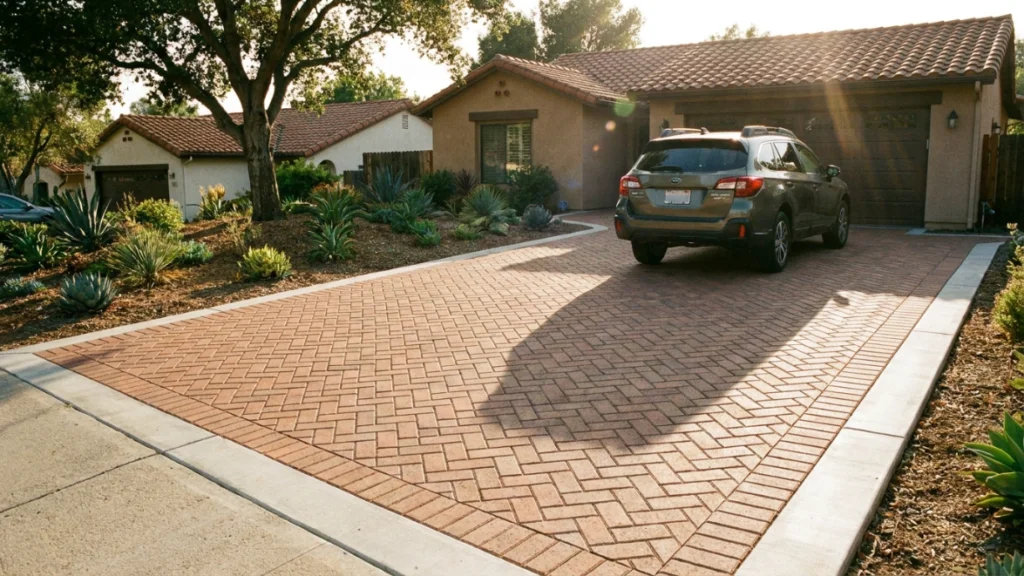
What Are Brick Pavers?
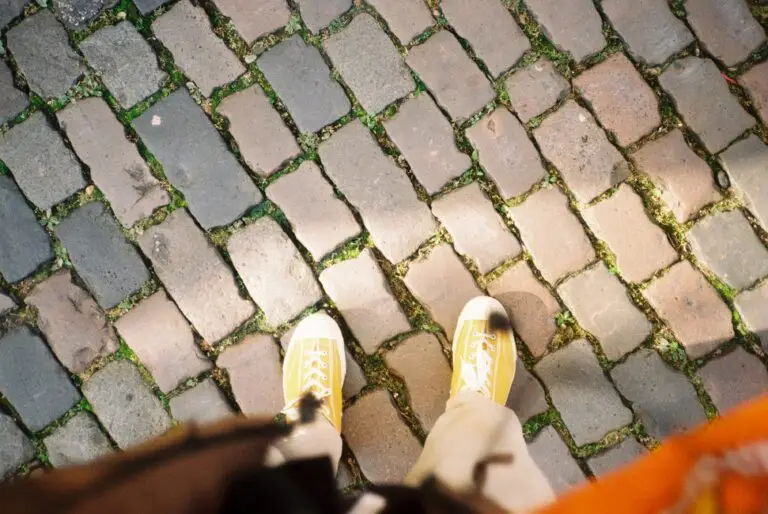
Manufacturers make brick pavers from natural clay. They mold the clay, then fire it at extremely high temperatures. This process gives brick its signature reddish tones and dense, uniform texture. The color runs through the entire unit, not just the surface. That is why brick pavers hold their appearance well even as the surface wears down over time.
In any brick pavers vs concrete pavers full comparison, brick stands out for traditional, colonial, and classic architectural styles. Many homeowners in older neighborhoods around Orinda and Moraga favor brick. It complements the historic brick or stone facades already on their properties.
What Are Concrete Pavers?
Manufacturers create concrete pavers by pouring cement, sand, aggregate, and pigment into molds. They then cure the units under controlled conditions. This process allows for an enormous range of shapes, sizes, textures, and colors. Some finishes even mimic natural stone, brick, or wood.
This part of the brick pavers vs concrete pavers full comparison matters because engineers design concrete pavers to interlock tightly. That tight fit is one reason contractors use them so widely for driveways, patios, and walkways. Visit our driveway pavers services page to see completed concrete paver installations.
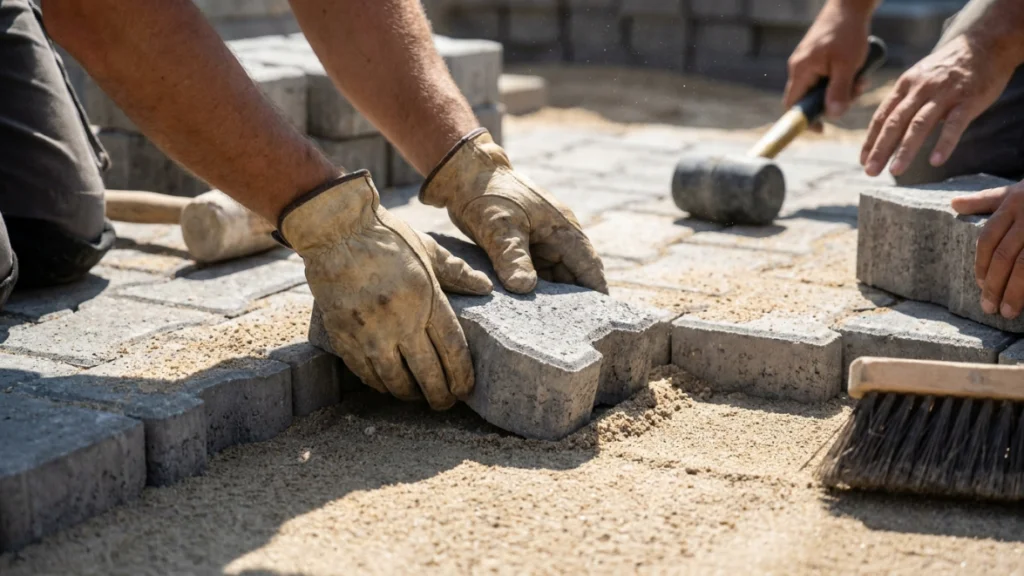
Brick Pavers vs Concrete Pavers Full Comparison: Durability and Strength
When it comes to raw strength, this brick pavers vs concrete pavers full comparison shows both materials perform well, but in different ways.
Brick pavers are extremely dense and resist fading, since the fired clay holds color all the way through. However, brick can be more brittle under heavy point loads. It may crack under extreme weight if installers skip a properly compacted base.
Concrete pavers offer high compressive strength. Many contractors prefer them for driveways that need to support regular vehicle traffic. Manufacturers can also reinforce concrete mixes to increase load-bearing capacity. That is why our team often recommends concrete for high-traffic areas. Learn more about high-load applications on our walkway pavers page.
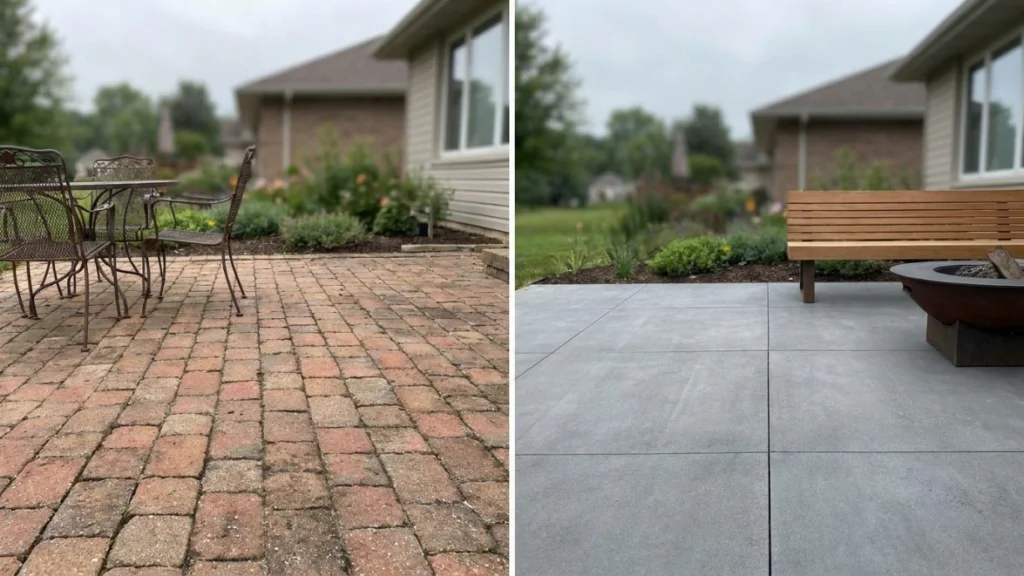
Brick Pavers vs Concrete Pavers Full Comparison: Design, Style and Curb Appeal
Aesthetics often decide the outcome of a brick pavers vs concrete pavers full comparison. Brick offers a timeless, classic look with warm, earthy tones. It rarely goes out of style, and it pairs beautifully with traditional landscaping.
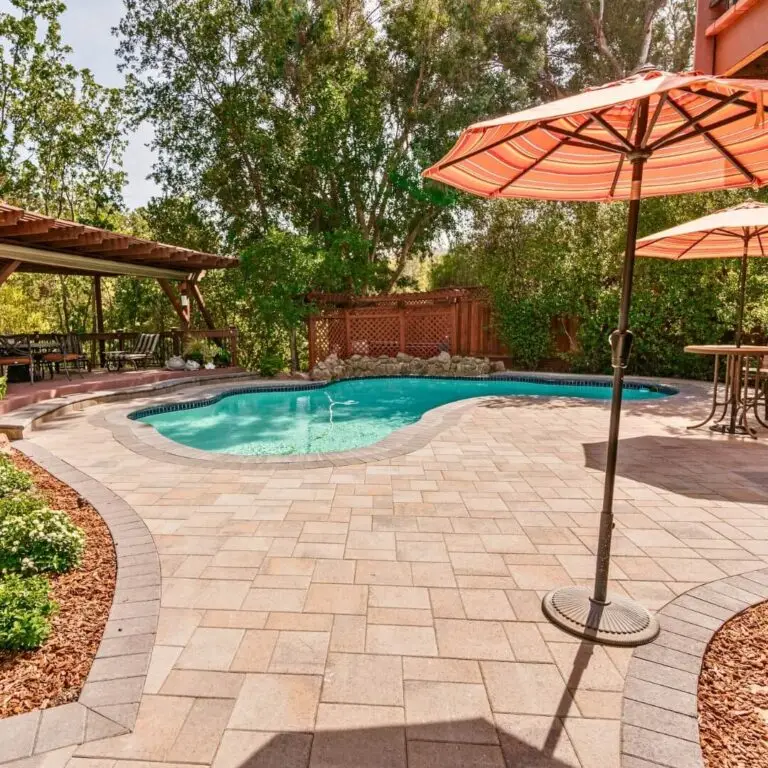
Concrete pavers offer far greater design flexibility. They come in dozens of colors, textures, and finishes. Some options closely resemble natural stone or travertine. Our patio pavers services team can walk you through the full range of pattern and finish choices.
Maintenance and Long-Term Care
Both materials need occasional maintenance, but the upkeep looks different for each. This is another key point in this brick pavers vs concrete pavers full comparison.
Brick pavers resist fading naturally, since the color runs through the material. They usually need less frequent sealing. However, brick is more porous, so it can absorb oil or organic stains more easily than sealed concrete.
Concrete pavers benefit from periodic sealing, which helps prevent staining and moisture penetration. Sweep them regularly, pressure wash them occasionally, and reseal every few years. This routine keeps concrete pavers looking freshly installed for a long time. Our warranty page outlines what to expect from a properly maintained installation.
Installation Process and Considerations
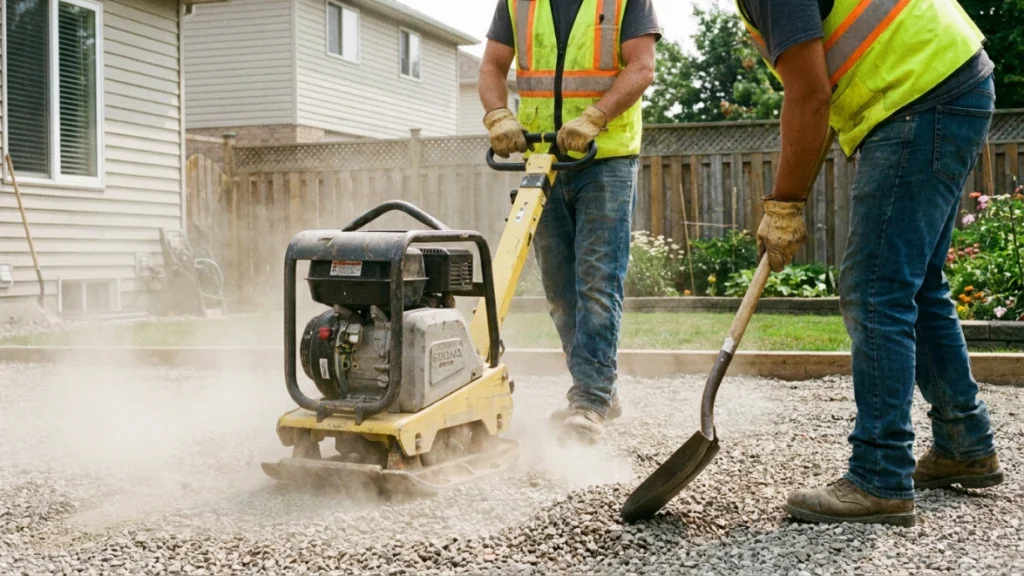
Proper installation matters more than the material itself. No brick pavers vs concrete pavers full comparison would be complete without this point. Both brick and concrete pavers need a well-compacted gravel base, a leveled layer of bedding sand, and solid edge restraints.
Brick pavers have uniform sizing, so installers typically use classic patterns like herringbone, basket weave, or running bond. Concrete pavers come in a wider range of shapes. That variety allows for creative layouts, including curved walkways and multi-textured driveways.
Working with an experienced installer matters just as much as the material choice. Our team at BBP Pavers has completed installations throughout Concord, Walnut Creek, and Fremont. We always start with a properly engineered base to prevent shifting or drainage problems later.
Weather Resistance and Climate Suitability
Northern California brings dry summers, occasional heavy rains, and shifting temperatures. Weather performance plays a real role in any brick pavers vs concrete pavers full comparison. Brick pavers handle freeze-thaw cycles reasonably well thanks to their dense composition. Extreme swings can still cause minor cracking in older or poorly installed brick.
Manufacturers engineer concrete pavers to withstand a wide range of climate conditions. Many now offer enhanced freeze-thaw resistant formulations. Coastal and foggy microclimates near Palo Alto and Atherton bring extra moisture. Proper sealing on either material helps prevent absorption and long-term wear.
Environmental Impact and Sustainability
Sustainability matters more than ever for homeowners planning outdoor renovations. It deserves a place in any thorough brick pavers vs concrete pavers full comparison. Brick pavers come from abundant natural clay. Contractors can often reclaim and reuse them, which makes brick a fairly eco-conscious choice when sourced responsibly.
Manufacturers can produce concrete pavers using recycled aggregate. Many designs also allow permeable installation, which lets stormwater filter naturally into the ground instead of running into storm drains. Permeable systems are gaining popularity for driveways and walkways in water-conscious communities.
Common Mistakes to Avoid When Choosing Pavers
Homeowners often run into avoidable problems by skipping key planning steps. A solid brick pavers vs concrete pavers full comparison can help you sidestep these issues. Here are the most common mistakes we see in the field.
Skipping proper base preparation is a leading cause of paver failure, regardless of material. A shallow or poorly compacted base eventually leads to shifting, sinking, or uneven surfaces. This happens no matter how strong the pavers are.
Choosing a material based purely on looks, without weighing traffic load or climate exposure, is another common misstep. A driveway that supports vehicles regularly needs a different specification than a decorative garden walkway.
Ignoring proper edge restraints and drainage planning can shorten the lifespan of any installation. Water pooling at the edges is one of the fastest ways to undermine a base over time.
Real Client Experiences in the Bay Area
Homeowners throughout our service area have shared their experiences after completing projects with our team. Their feedback often echoes the same conclusions found throughout this brick pavers vs concrete pavers full comparison. One Concord client praised our crew’s attention to detail. We replaced their cracked concrete driveway with an interlocking paver system. A Lafayette homeowner shared similar praise after we installed a brick walkway that matched their home’s historic character.
Reviews on our Google Business Profile and Yelp page consistently highlight our team’s communication, clean job sites, and long-lasting results. Read more homeowner reviews on our Yelp business page, or browse recent project photos on our Instagram and Facebook pages.
Frequently Asked Questions
Is brick or concrete better for a driveway?
Concrete pavers often win out for high-traffic driveways, thanks to their engineered strength and interlocking design. Brick can still perform well on a properly reinforced base.
Which material lasts longer in this brick pavers vs concrete pavers full comparison?
Both materials can last for decades with correct installation and regular maintenance. Installation quality, base preparation, and climate exposure matter more than the material choice alone.
Do brick pavers fade over time?
Brick pavers resist fading well, since the color runs through the entire unit instead of sitting on the surface.
Can concrete pavers be repaired individually?
Yes. Installers can lift and replace individual interlocking units without disturbing the surrounding surface.
Is permeable paving available for both materials?
Permeable systems pair more commonly with concrete paver designs, though certain brick layouts can also support improved drainage.
Brick vs Concrete Pavers: How to Decide for Your Project
Deciding between the two often comes down to three simple questions: What style fits your home? How much traffic will the surface handle? And how much time do you want to spend on upkeep? If historic charm and warm, natural tones matter most, brick is usually the stronger fit. If you want more design flexibility, a wider color palette, and easier spot repairs, concrete tends to work better.
Climate also plays a role in the decision. Homeowners near the coast or in foggy Bay Area pockets should pay close attention to sealing schedules. Moisture exposure affects both materials over time. Inland areas with hotter, drier summers tend to be more forgiving for either option, as long as installers get the base right.
Finally, think about how the surface fits into the rest of your landscape. A brick walkway can tie together a garden with mature plantings and traditional hardscaping. A concrete paver patio, on the other hand, can complement a more modern outdoor kitchen, fire pit, or pergola setup. Our team can walk your property with you and point out which details matter most for your layout.
Local Landmarks and Neighborhoods We Serve
BBP Pavers has completed projects near well-known Bay Area landmarks, including neighborhoods close to Mount Diablo, the Lafayette Reservoir, and downtown Walnut Creek. Homeowners in these areas often deal with a mix of hillside drainage, mature tree roots, and older soil conditions, all of which affect how a paver base should be prepared. Our crews adjust base depth and compaction methods based on the specific soil and slope conditions found in each neighborhood, rather than applying a one-size-fits-all approach.
Conclusion
This brick pavers vs concrete pavers full comparison shows that both materials bring real advantages. Brick delivers timeless style and long-lasting color. Concrete offers exceptional design flexibility and engineered strength for high-traffic areas. Your property’s architectural style, expected traffic, and maintenance preferences should guide your final choice.
If you are still weighing the details of this brick pavers vs concrete pavers full comparison, our team at BBP Pavers can help. Ready to start your next outdoor project in the Bay Area? Reach out to BBP Pavers today at +1 844-497-3321 or bbppavers@gmail.com, or visit our contact page to schedule a consultation.
Company Information
BBP Pavers
4918 Clayton Rd, Concord, CA 94521, United States
Phone: +1 844-497-3321
Email: bbppavers@gmail.com
Office Hours: Monday – Friday, 9 AM – 5 PM; Saturday, 9 AM – 2 PM
Explore our full range of services: Retaining Walls, Outdoor Kitchens & BBQ Islands, Fire Pits, Pergolas, Artificial Turf, and Pool Decks. Learn more about pavers or check our FAQ page for additional guidance.